What Is EcoManka?
EcoManka is an international education and social-impact initiative helping young people become compassionate environmental leaders and active changemakers in their communities.
The name itself reflects what we are trying to build. “Eco” speaks to ecology, systems and our relationship with the living world. “Manka” was inspired partly by the feminine shamanic archetype, the idea of someone connected to nature, community, intuition and the sacred. Together, the name reflects a simple belief: environmental education should not only teach us about the planet, but also help us understand our place within it.
EcoManka began from a question that still guides us today: why do so many young people understand environmental problems, yet still feel powerless to change them? We realised that knowledge alone is not enough. A young person may understand climate change, waste or biodiversity loss, but still lack the confidence, emotional resilience, collaboration skills or practical tools needed to act.
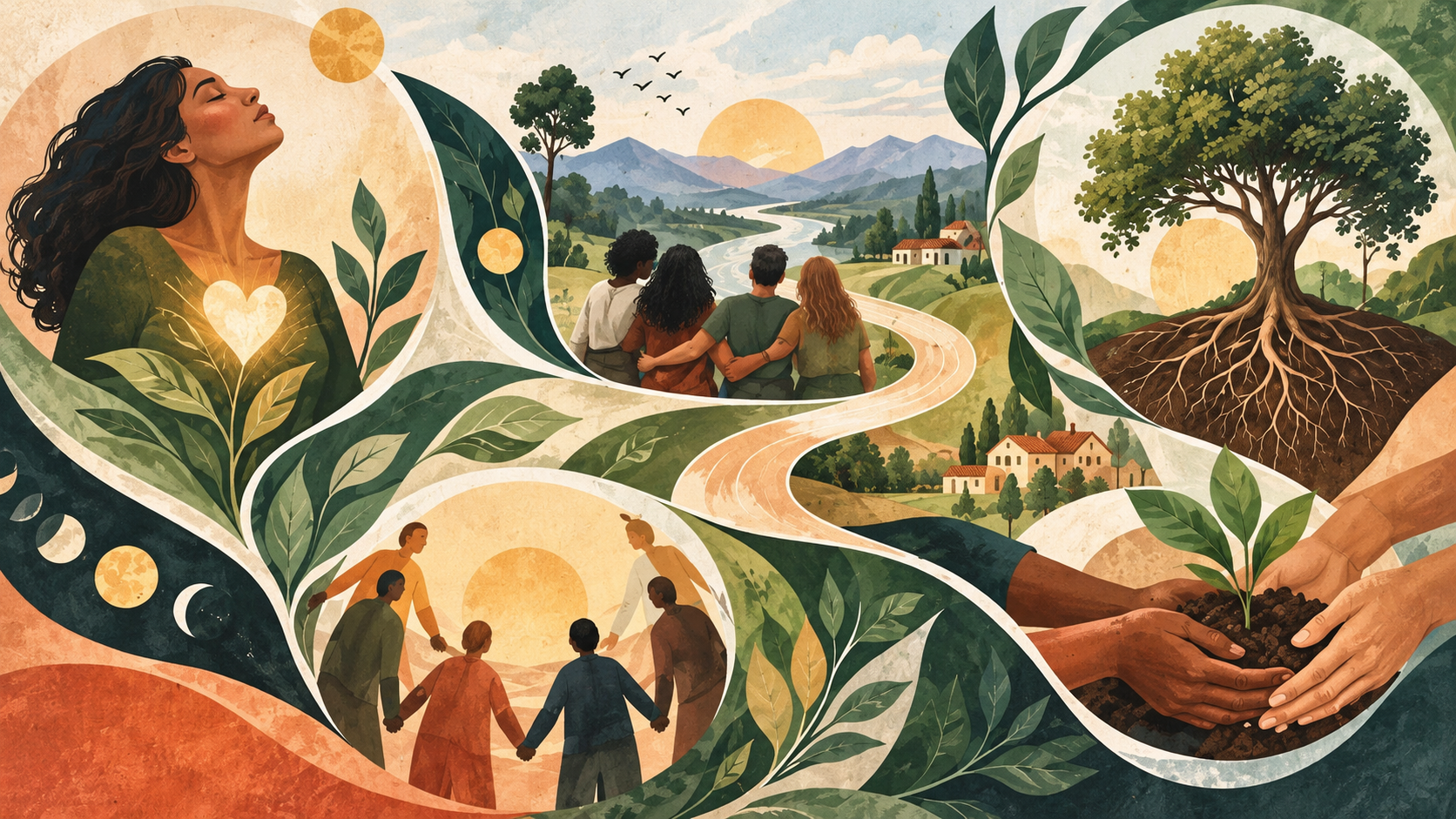
That is why EcoManka brings together areas that are often taught separately: social-emotional learning, environmental education, systems thinking, leadership, entrepreneurship, creativity, gamification and community action. Our aim is to create a learning journey that helps young people move from understanding themselves to understanding others, reconnecting with nature, exploring the challenges of their communities and finally designing real solutions.
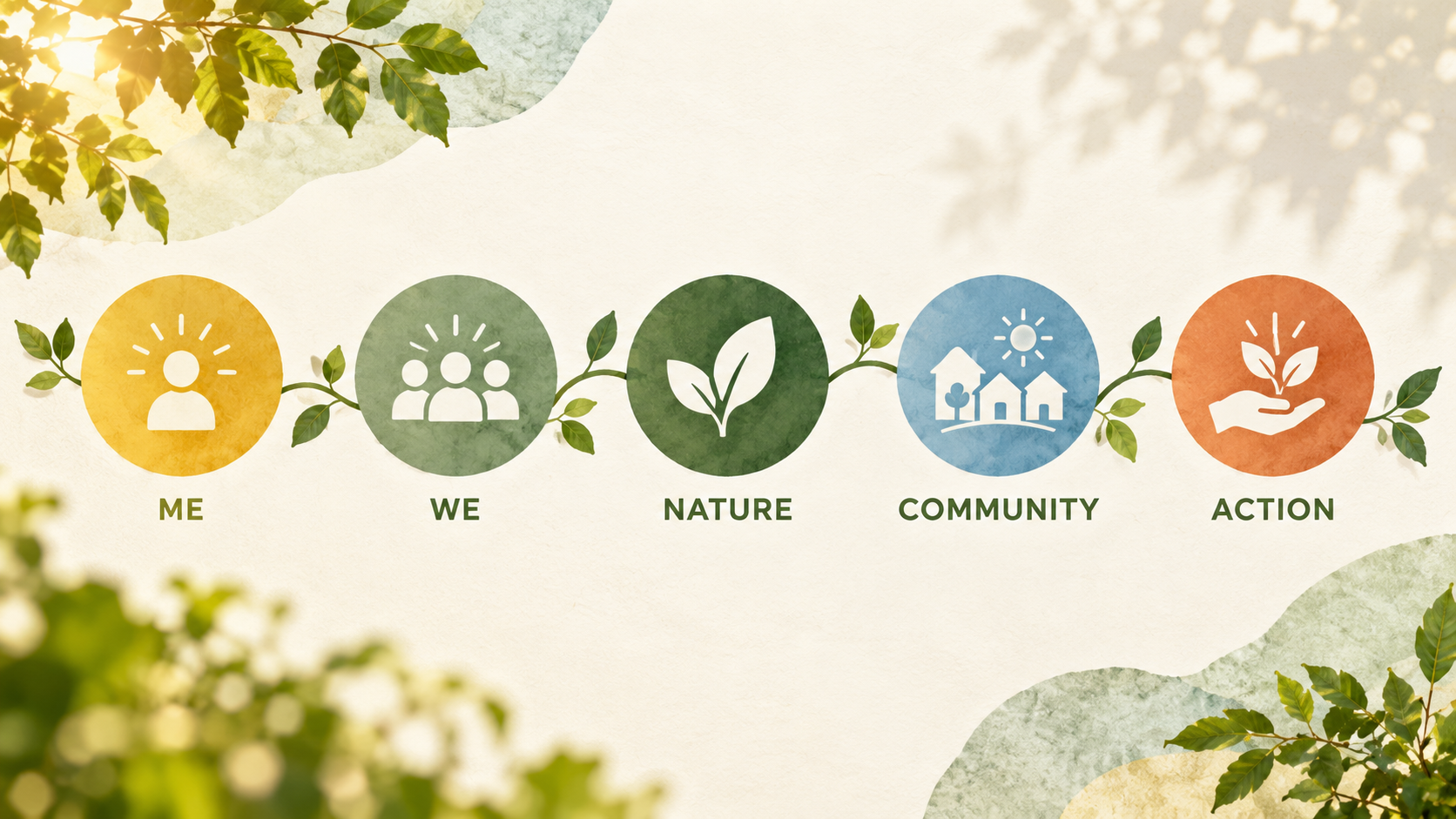
We describe that journey as:
ME → WE → NATURE → COMMUNITY → ACTION
The journey begins with ME, because before asking young people to solve complex problems, we want them to understand themselves: their values, emotions, strengths and sense of agency. From there, we move into WE, where they learn empathy, communication, collaboration and collective leadership. Then comes NATURE, where environmental learning becomes more than information and young people begin to understand themselves as part of wider ecological systems. In COMMUNITY, they explore the realities around them, identify local challenges and understand how environmental, social and economic issues connect. Finally, in ACTION, they turn learning into something practical.
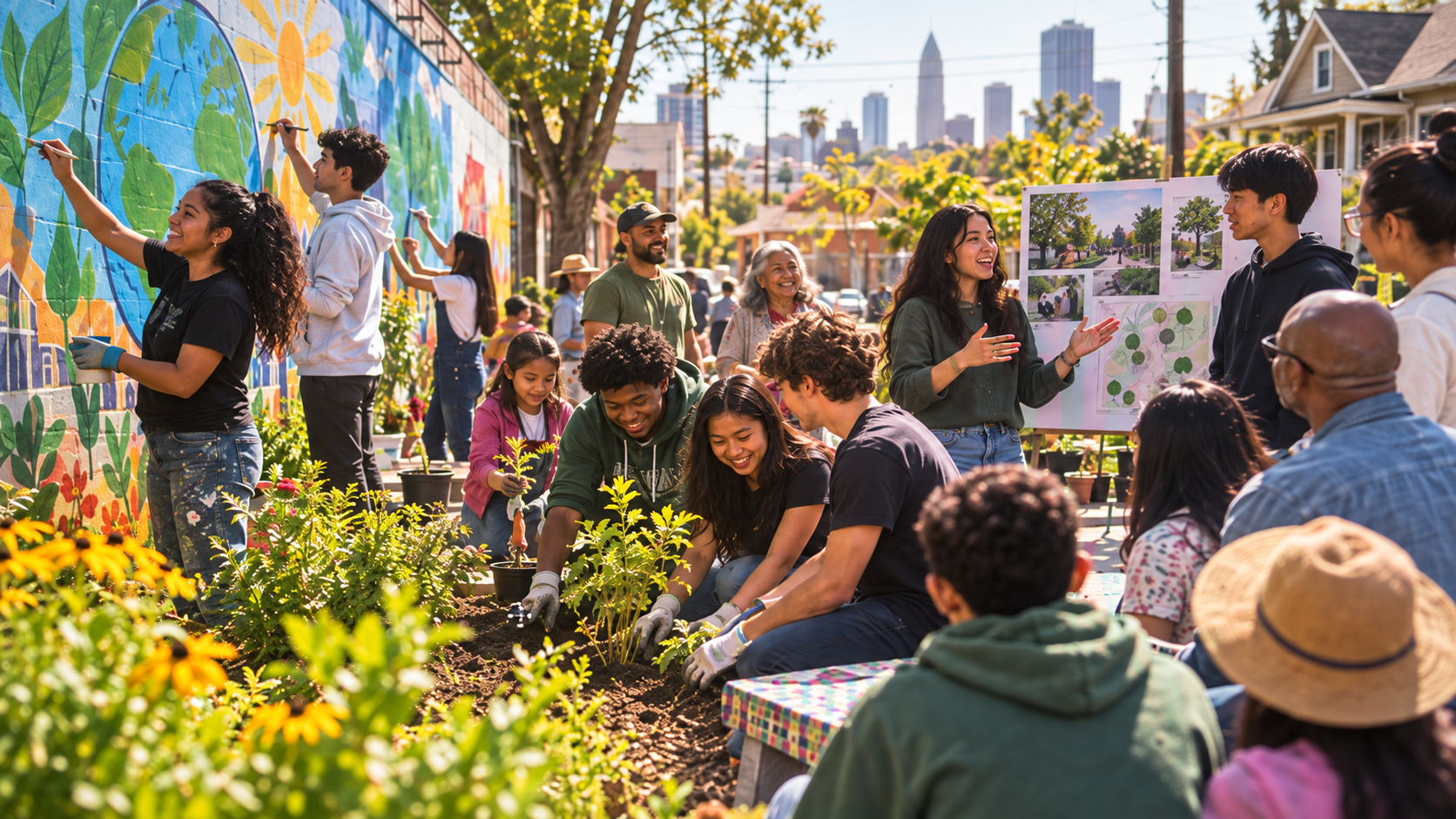
That action will look different in every place. In one community it may involve urban gardening or waste reduction. In another it may be biodiversity, water, circular economy, eco-tourism or green entrepreneurship. EcoManka is not designed to export the same answers everywhere. We are building a strong methodology that can be adapted locally, because the challenges of Medellín, Colombia are not the same as those of the Balkans, East Africa or another part of the world.
This became especially clear through our work in the vulnerable community of Moravia, Medellín. Working with local educators and community partners showed us how powerful experiential environmental education can be, but it also taught us that a collection of good activities is not enough. Teachers need a coherent learning journey, stronger facilitation support and practical tools that help them connect social-emotional development, environmental learning and community action. Those lessons became a major part of the EcoManka model we are developing today.
EcoManka is now growing into an international network of educators, learning designers, environmental practitioners, researchers, entrepreneurs, facilitators and technology partners. Our role is increasingly to bring these different perspectives together into one coherent methodology and EcoManka Toolbox that teachers and facilitators can use and adapt.
A key part of the model is Train-the-Trainer. We do not want EcoManka to become an organisation that has to personally deliver every programme in every community. Instead, we want to train local facilitators and educators, who can then work with young people and eventually train others themselves. Over time, knowledge and capacity should remain in the community rather than depending on an external organisation.
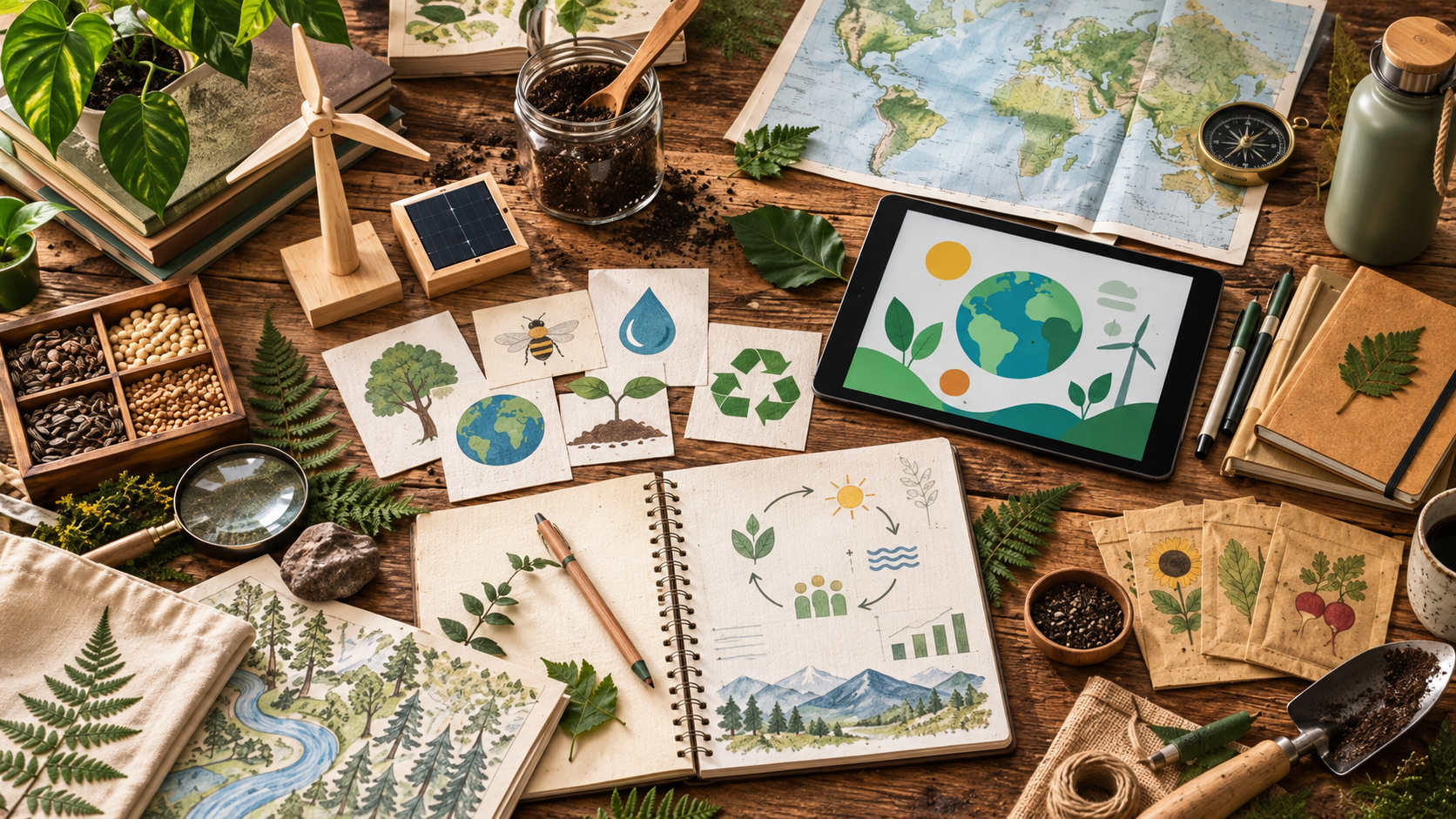
Technology and gamification also play a role in this vision. We are developing digital tools that can help educators navigate the methodology, adapt learning journeys, access resources and eventually learn from what other communities are doing. But technology is only a tool. The heart of EcoManka remains human: relationships, reflection, curiosity, collaboration and the experience of turning an idea into real-world action.
What makes EcoManka different is not that each individual element is new. Environmental education already exists. Social-emotional learning exists. Entrepreneurship, systems thinking and game-based learning exist. The innovation lies in how these elements are connected into one journey that moves from inner awareness to collective action, while still allowing educators and communities to shape the content around their own realities.
Our long-term goal is to build an international learning ecosystem in which local organisations and educators can use a strong, adaptable methodology to help young people become more resilient, more connected and more capable of shaping the future of their communities.
Success for us is not simply that a young person completes a course. It is that they begin to see themselves differently: as someone who can understand a complex problem, work with others and create something meaningful in response.
EcoManka has been evolving through years of experimentation, partnerships and learning. We are now entering a new stage, building a stronger methodology, digital tools, Train-the-Trainer structure and international partnerships that will allow us to test and refine the model across very different communities.
In our next article, we will share the story of Moravia, Medellín, where many of the lessons behind today’s EcoManka began.
For now, the simplest way to describe what we are building is this:
EcoManka helps young people move from understanding themselves to understanding the world around them — and then gives them the tools to act.